On this page
An island-hopping itinerary works best with a small number of bases and direct connections. Choosing islands in the same group reduces ferry time, missed-connection risk, and transport costs.
Choose an island group
- Cyclades: frequent seasonal links among islands such as Naxos, Paros, Syros, and Santorini.
- Dodecanese: Rhodes, Kos, and other eastern islands, often with longer sailings.
- Ionian Islands: Corfu, Kefalonia, and Zakynthos; difficult to combine with the Cyclades.
- Crete: large enough for a week, with two main airports and seasonal ferry routes.
For ten days, Athens and two islands provide a reasonable pace. Moving every two nights leaves little margin for wind or timetable changes.
Ferries and flights
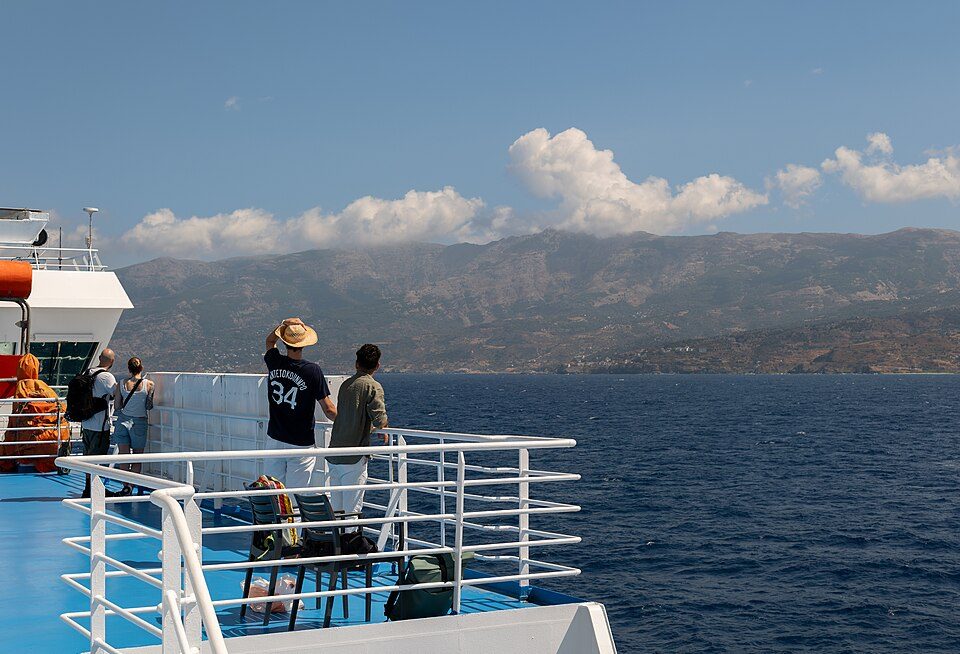
Schedules vary by season, and not every route runs daily. Check ferry companies and aggregators such as Ferryhopper, then confirm the port, operator, and ticket terms. High-speed ferries save time but may cost more and be more sensitive to rough seas.
Reserve important summer connections in advance. Avoid a tight link between a ferry and an international flight; a final night in Athens or near the airport reduces risk.
Accommodation and local transport
Check the distance from the port and whether the property offers a transfer. Some islands have useful bus networks; others have limited off-season services. For car or scooter rental, review license requirements, insurance, deductible, and parking.
Budget
Accommodation and ferry prices vary considerably by island and date. Santorini and Mykonos usually cost more than other Cycladic islands, especially in summer. Include:
- Final accommodation rate and taxes.
- Ferries, luggage, and port transfers.
- Local transport or vehicle rental.
- Food, organized beaches, and admissions.
- Contingency funds for weather changes.
Greece uses the euro. Cards are widely accepted, but cash remains useful for buses, small businesses, and remote locations. Prefer bank-operated ATMs and review any fee before confirming.
When to go
May, June, September, and early October may be less crowded than July and August, although sea conditions, wind, and service frequency vary. Some hotels and restaurants close outside the main season, and ferry schedules contract.
Before departure
- Check entry requirements for your nationality.
- Keep tickets and reservations available offline.
- Confirm ports: Athens has several, and some islands have more than one.
- Pack sun protection and suitable footwear.
- Check the forecast and operator notices the day before sailing.