On this page
Thailand does not follow one weather calendar. Bangkok, the north, the Andaman coast, and the Gulf islands have different patterns, so the best dates depend on the route.
November to February
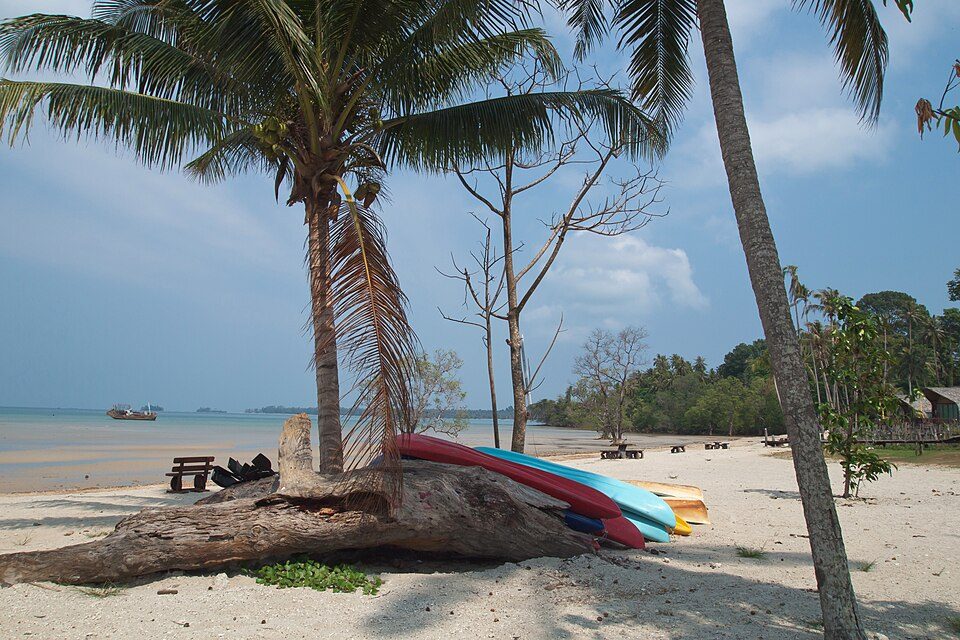
This is often the driest and coolest period in Bangkok, northern Thailand, and much of the Andaman coast. It also brings high demand, particularly over Christmas and New Year. Some Gulf islands may still receive heavy rain early in this period.
,_Thailand,_Sandy_beach_with_palm_trees.jpg)
March to May
Heat and humidity build across much of the country. April is commonly very hot, and Songkran creates busy travel dates. Air quality in the north can deteriorate during the burning season; check current readings if you have respiratory concerns.
May to October
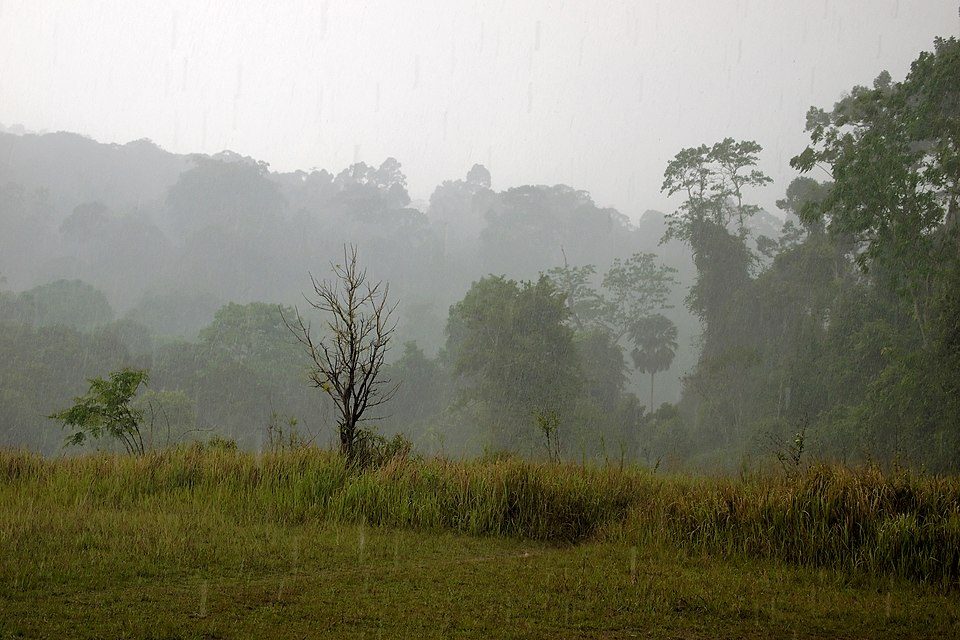
The monsoon brings frequent showers, but not necessarily continuous rain every day. The Andaman coast can have rough seas and reduced boat services. Rain is often heaviest around September and October in several regions.
Gulf islands
Koh Samui, Koh Phangan, and Koh Tao follow a different pattern from Phuket, Krabi, and the Andaman coast. They can have better conditions during part of the European summer, with their wettest period often arriving later. Check local forecasts and ferry status.
Prices and occupancy
Accommodation generally costs more in the dry season, over holidays, and in popular beach destinations. Rainier months may bring lower rates but also fewer transport services and canceled activities. Compare flexible bookings and confirm the operator's cancellation policy.
As a rough planning reference, simple rooms may begin at several hundred baht and a local meal around one hundred, but location and season can alter these figures substantially. Verify current THB prices before finalizing a budget.
What to check
- Historical weather for each stop, not only Bangkok.
- Alerts for heat, flooding, waves, and air quality.
- Festival and holiday calendars.
- Ferry frequency and cancellation terms.
- Insurance cover for planned activities and disruptions.
For a city and cultural route, November to February is often comfortable. For diving, beaches, or hiking, the right window depends on the coast and the year's actual conditions.